

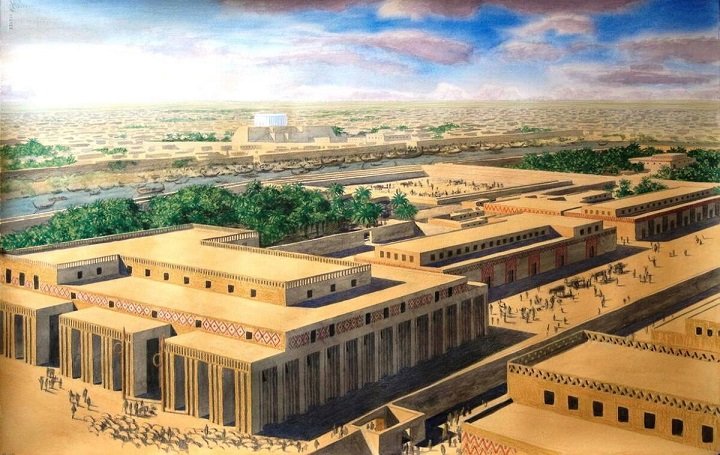
More than 5,000 years ago, in a remote enclave in the south of modern Iraq, something amazing happened that changed the course of human history. This place, known as Uruk, became the first city in history where urban planning flourished, temples, palaces were built, and writing was born.
Birth of Uruk
According to Sumerian texts, Uruk was founded around 4500 BC. King Enmerkar. However, mixed legends and history form some mysteries around this event. From the earliest days of Uruk, its inhabitants witnessed a transition from prehistoric societies to urban societies. This transition was not only physical, but also intellectual, as along with urban structures came the need to develop writing to control a complex commercial system.
Architectural Achievements
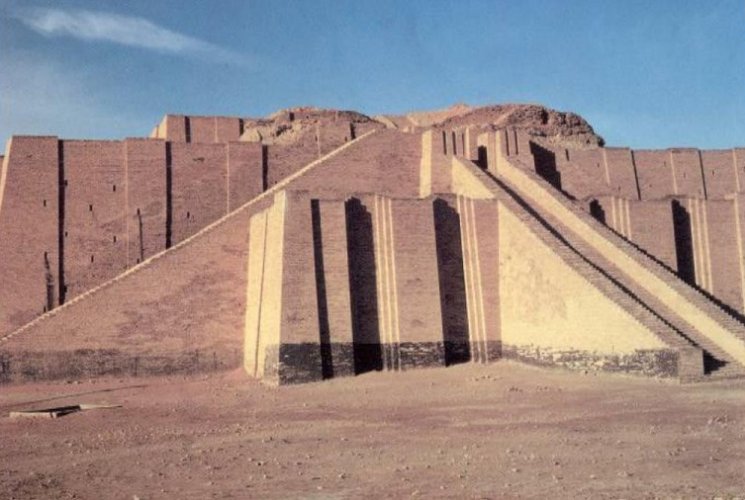
Uruk has become a legend not only for its role in history, but also for its architectural magnitude. The construction of the White Temple, the city's main architectural structure, served as a precedent for future ziggurats, step pyramid-shaped temples that became a feature of Mesopotamian architecture.
Economic Development
Uruk developed trade that was based on a barter system and values. This led to the expansion of the city's economy and the need for a system of recording accounts. It was here that some of the oldest examples of writing were found, which later led to the development of cuneiform.
The Wall and Legends
It should be noted that Uruk is also famous for its defensive wall, which, according to legend, was built on the orders of the legendary hero of mankind's first epic tale, Gilgamesh. This wall was a symbol of power and provided security to the inhabitants.
End of the Age of Uruk
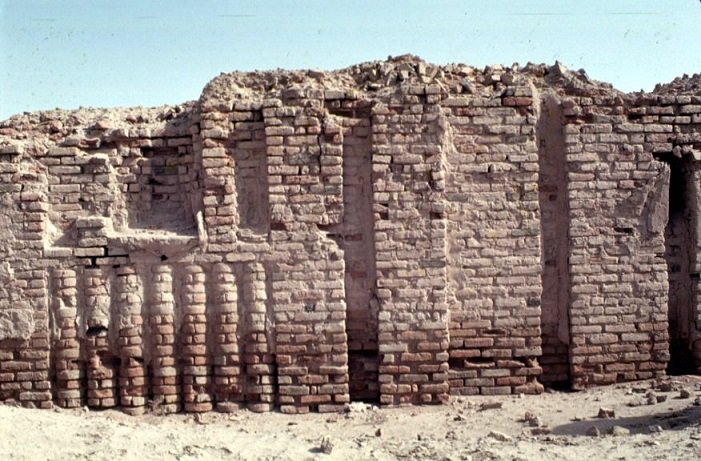
Despite its great prosperity, Uruk gradually lost its popularity and population. However, it remained inhabited until the 3rd century AD. The discovery of this amazing site was made in the mid-19th century by William Kenneth Loftus, but archaeological research began much later, in the 20th century, when archaeologists began to move away from treasure hunting and concentrated on studying history.