

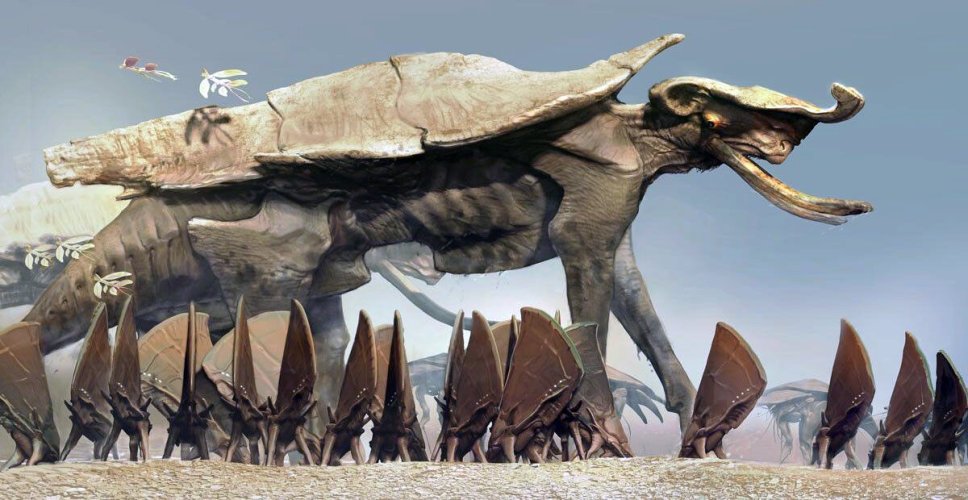
When it comes to the search for extraterrestrial life, scientists are developing new approaches, despite our traditional understanding of aliens. In a new study published in the Monthly Notices of the Royal Astronomical Society, scientists have presented a fascinating way to search for planets inhabited by dinosaur-like creatures.
One of the key points in the research is to search for an atmosphere similar to that which was present on Earth more than 65 million years ago - the era when dinosaurs reigned on our planet. At that time, oxygen levels in the atmosphere were significantly higher than they are today.
Study co-author Lisa Kaltenegger highlights the significance of this approach: "The light fingerprint of modern Earth has been our template for identifying potentially habitable planets, but there was a time when this fingerprint was even more pronounced - better exhibiting signs of life."
Researchers hope to discover planets with atmospheres containing more oxygen than Earth's. This, in turn, could lead us to discover not only microbes, but also larger, more complex life forms.
"Hopefully we'll find some planets that now have more oxygen than Earth..." says one scientist, warning that we could be on the verge of discovering even more amazing forms of life in the galaxy.
Perhaps, in the far reaches of space, alien “dinosaurs” are waiting in the wings. The only question is whether we can detect them.