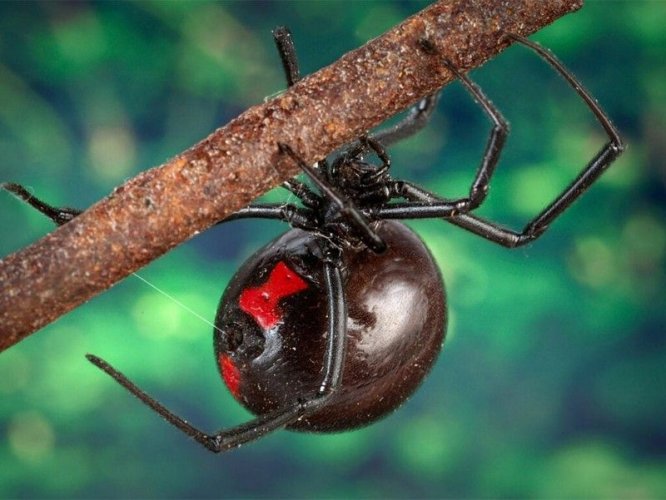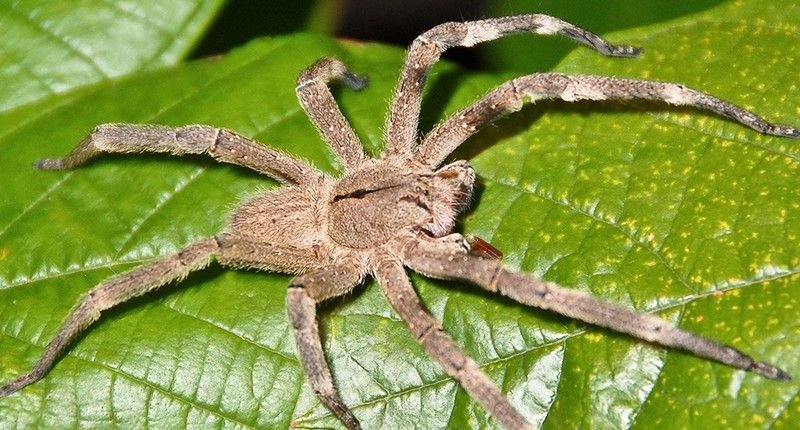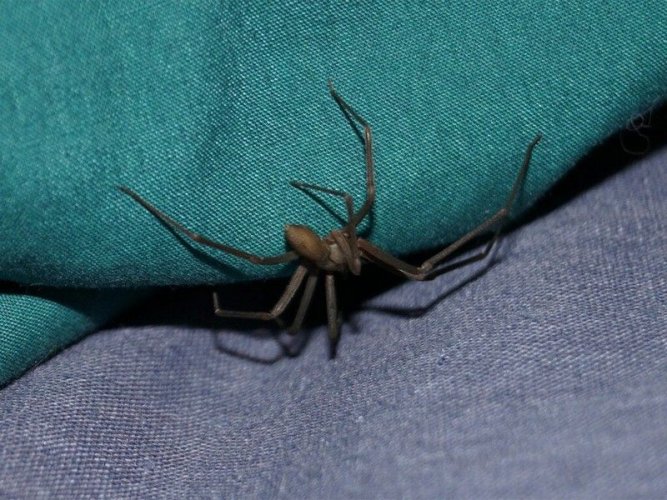

People don't particularly like insects. They sting and bite. They inject poison that can kill instantly or cause a fatal allergic reaction. Mosquitoes, for example, spread parasites that kill hundreds of thousands of people every year.

To be clear, the list below is not taxonomically accurate. Spiders and scorpions are not technically insects, but we decided to include them because the main criteria for selection were to look creepy, crawl, and be deadly.
1. Mosquitoes

Mosquitoes are considered the deadliest creatures in the entire animal kingdom. They kill 700,000 people every year. Mosquitoes carry many dangerous diseases, including malaria, dengue fever, West Nile virus, yellow fever, Zika virus, Chikungunya virus, and lymphatic filariasis. Malaria is a serious problem: in 2017, 435,000 people died from this disease worldwide. Mosquitoes have a special organ called the maxillary tentacle. With its help, they detect carbon dioxide released as a result of breathing and fly towards us to consume blood in an amount three times greater than their own weight. Mosquitoes are known to prefer beer drinkers, as it increases the ethanol content in sweat. Ethanol excites mosquitoes. Moreover, alcoholic drinks increase your body temperature, due to which it is easier for mosquitoes to find you. People with a higher body mass are attracted to these insects for the same reason. Mosquitoes also prefer people with blood type O. No one knows exactly why, but it is thought that people with blood type O smell better - at least to mosquitoes - than everyone else.
2. Triatomine bugs
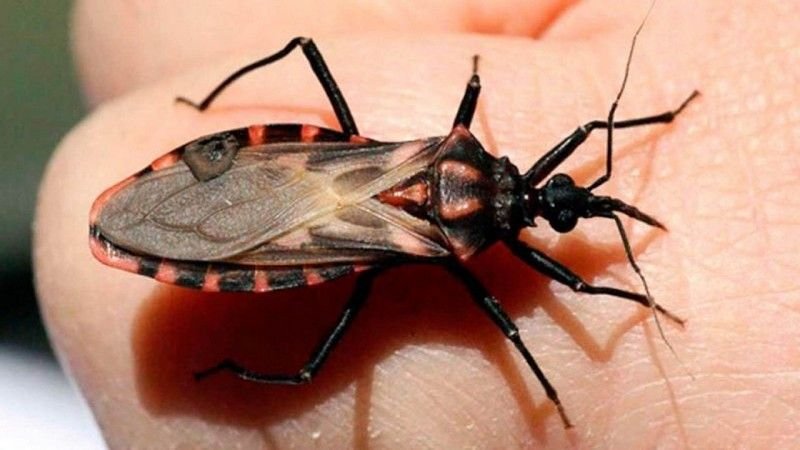
Triatomine bugs are also known as "kissing bugs" or "vampire bugs" for their tendency to bite people around the soft tissues of the mouth. These insects carry Chagas disease, which is thought to have originated in Central America. It kills about 12,000 people worldwide each year. Victims typically experience no symptoms for four to eight weeks. Even in the chronic phase, most people experience few symptoms, but 45 percent develop heart disease 10 to 30 years after contracting the infection, which can lead to heart failure.
3. Tsetse Fly
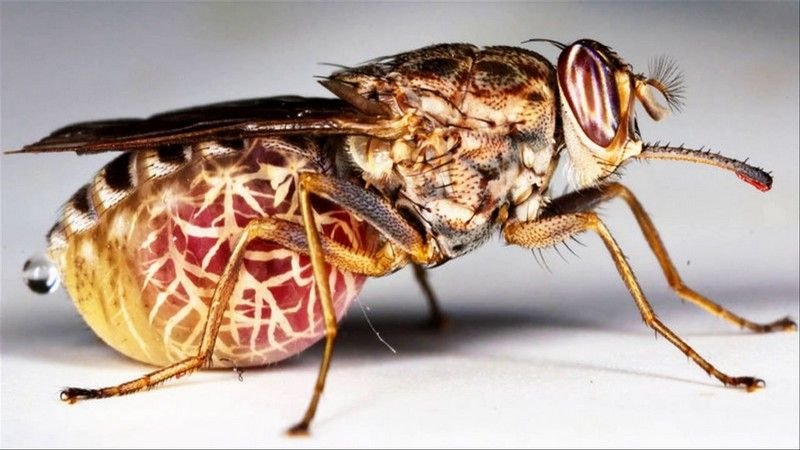
Native to tropical Africa, these large, biting flies spread a parasitic infection that causes African trypanosomiasis, a disease that is 100 percent fatal if left untreated, and treatment is extremely difficult. There are medications, but they must be administered with great care, and there is always a risk of parasite resistance. When bitten by an infected tsetse fly, a person experiences symptoms such as confusion, poor coordination, numbness, and difficulty sleeping. They are very likely to die. Because the disease is so deadly, efforts are being made to eradicate the insects themselves, which is gradually reducing the number of cases. African trypanosomiasis used to kill up to half a million people each year, according to some estimates. In 2015, the death toll was 3,500.
4. Bees

Anaphylactic shock is deadly, and about 80 percent of those who die from it are men. Any kind of bee, hornet, or wasp sting can cause an allergic reaction, but these days the creature you most often hear about is the Asian giant hornet, or Japanese giant hornet. It is the largest in the world, measuring just over four centimeters long and with a wingspan of about eight centimeters. Its stinger is 6.5 millimeters long. In some parts of Japan, fried hornet larvae are considered a delicacy. In others, adults are grilled on skewers until crispy. Yum! The Japanese giant hornet was spotted in the Pacific Northwest in 2019, meaning Americans can eat it too if they want. Another famous bee in this category is the so-called "killer bee," a term coined by the media to describe the African, or Africanized, bee that is responsible for one or two human deaths a year worldwide. This bee's sting is no worse than most other honey bees. The difference is that Africanized bees are much more aggressive and sting proportionally more often — about ten times more than other bees.
5. Indian Red Scorpions
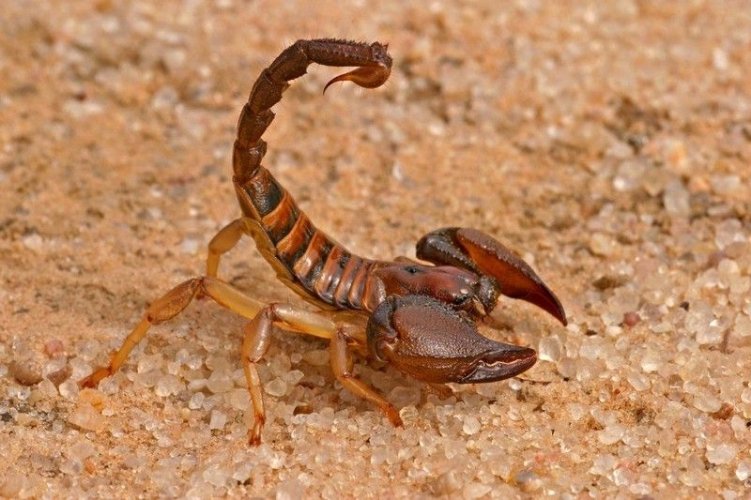
There are about 1,500 species of scorpions, of which only a few dozen are venomous. The Indian red scorpion is the deadliest of all; up to 40 percent of victims it stings die. This scorpion is a serious problem, especially in India, Sri Lanka and Nepal, as it is often found near human habitations where barefoot children play. Scorpions are shy, nocturnal arachnids that sting when they feel threatened. Despite being less than eight centimeters long, the Indian red scorpion produces a powerful venom that causes severe pain, vomiting, sweating, shortness of breath, and alternating high and low blood pressure and heart rate. The venom attacks the respiratory system and heart, and can lead to death from pulmonary edema. Antivenom is virtually ineffective, although the blood pressure drug Prazosin has been found to reduce the mortality rate to four percent. Despite the danger they pose, Indian red scorpions are often kept as pets in India. Perhaps because they, like most scorpions, glow under a black light.
6. Yellow Scorpions

The yellow scorpion is another highly venomous scorpion found from North Africa to the Middle East and Central Asia. A single sting is unlikely to kill a healthy adult, but it can be fatal to children, who then require massive amounts of antivenom. (Doctors who rarely deal with scorpion and snake bites often make the mistake of assuming that children require less antivenom because they are smaller in body mass. In fact, children require much more because the venom-to-body-weight ratio is much higher than that of adults.) The yellow scorpion's venom is a mixture of four powerful neurotoxins that can cause heart failure. In 2010, Air Force Staff Sergeant Monique Munro-Harris was stung by a yellow scorpion in Kirkuk, Iraq, and was subsequently sent to Balad Air Base and then to Germany. Her blood pressure dropped to near zero several times during the flight before she was given the anti-venom. Her nickname is now "Scorpion Queen." Yellow scorpion venom is also famous for being the most expensive liquid in the world, costing $39 million per gallon. That's because it's hard to obtain. It takes about 2.64 million scorpions to milk a gallon of the venom. Another reason it's so expensive is because it's been shown to be effective in treating brain cancer, arthritis, and bone disease.
To be clear, the list below is not taxonomically accurate. Spiders and scorpions are not technically insects, but we decided to include them because the main criteria for selection were to look creepy, crawl, and be deadly.
1. Mosquitoes
Mosquitoes are considered the deadliest creatures in the entire animal kingdom. They kill 700,000 people every year. Mosquitoes carry many dangerous diseases, including malaria, dengue fever, West Nile virus, yellow fever, Zika virus, Chikungunya virus, and lymphatic filariasis. Malaria is a serious problem: in 2017, 435,000 people died from this disease worldwide. Mosquitoes have a special organ called the maxillary tentacle. With its help, they detect carbon dioxide released as a result of breathing and fly towards us to consume blood in an amount three times greater than their own weight. Mosquitoes are known to prefer beer drinkers, as it increases the ethanol content in sweat. Ethanol excites mosquitoes. Moreover, alcoholic drinks increase your body temperature, due to which it is easier for mosquitoes to find you. People with a higher body mass are attracted to these insects for the same reason. Mosquitoes also prefer people with blood type O. No one knows exactly why, but it is thought that people with blood type O smell better - at least to mosquitoes - than everyone else.
2. Triatomine bugs
Triatomine bugs are also known as "kissing bugs" or "vampire bugs" for their tendency to bite people around the soft tissues of the mouth. These insects carry Chagas disease, which is thought to have originated in Central America. It kills about 12,000 people worldwide each year. Victims typically experience no symptoms for four to eight weeks. Even in the chronic phase, most people experience few symptoms, but 45 percent develop heart disease 10 to 30 years after contracting the infection, which can lead to heart failure.
3. Tsetse Fly
Native to tropical Africa, these large, biting flies spread a parasitic infection that causes African trypanosomiasis, a disease that is 100 percent fatal if left untreated, and treatment is extremely difficult. There are medications, but they must be administered with great care, and there is always a risk of parasite resistance. When bitten by an infected tsetse fly, a person experiences symptoms such as confusion, poor coordination, numbness, and difficulty sleeping. They are very likely to die. Because the disease is so deadly, efforts are being made to eradicate the insects themselves, which is gradually reducing the number of cases. African trypanosomiasis used to kill up to half a million people each year, according to some estimates. In 2015, the death toll was 3,500.
4. Bees
Anaphylactic shock is deadly, and about 80 percent of those who die from it are men. Any kind of bee, hornet, or wasp sting can cause an allergic reaction, but these days the creature you most often hear about is the Asian giant hornet, or Japanese giant hornet. It is the largest in the world, measuring just over four centimeters long and with a wingspan of about eight centimeters. Its stinger is 6.5 millimeters long. In some parts of Japan, fried hornet larvae are considered a delicacy. In others, adults are grilled on skewers until crispy. Yum! The Japanese giant hornet was spotted in the Pacific Northwest in 2019, meaning Americans can eat it too if they want. Another famous bee in this category is the so-called "killer bee," a term coined by the media to describe the African, or Africanized, bee that is responsible for one or two human deaths a year worldwide. This bee's sting is no worse than most other honey bees. The difference is that Africanized bees are much more aggressive and sting proportionally more often — about ten times more than other bees.
5. Indian Red Scorpions
There are about 1,500 species of scorpions, of which only a few dozen are venomous. The Indian red scorpion is the deadliest of all; up to 40 percent of victims it stings die. This scorpion is a serious problem, especially in India, Sri Lanka and Nepal, as it is often found near human habitations where barefoot children play. Scorpions are shy, nocturnal arachnids that sting when they feel threatened. Despite being less than eight centimeters long, the Indian red scorpion produces a powerful venom that causes severe pain, vomiting, sweating, shortness of breath, and alternating high and low blood pressure and heart rate. The venom attacks the respiratory system and heart, and can lead to death from pulmonary edema. Antivenom is virtually ineffective, although the blood pressure drug Prazosin has been found to reduce the mortality rate to four percent. Despite the danger they pose, Indian red scorpions are often kept as pets in India. Perhaps because they, like most scorpions, glow under a black light.
6. Yellow Scorpions
The yellow scorpion is another highly venomous scorpion found from North Africa to the Middle East and Central Asia. A single sting is unlikely to kill a healthy adult, but it can be fatal to children, who then require massive amounts of antivenom. (Doctors who rarely deal with scorpion and snake bites often make the mistake of assuming that children require less antivenom because they are smaller in body mass. In fact, children require much more because the venom-to-body-weight ratio is much higher than that of adults.) The yellow scorpion's venom is a mixture of four powerful neurotoxins that can cause heart failure. In 2010, Air Force Staff Sergeant Monique Munro-Harris was stung by a yellow scorpion in Kirkuk, Iraq, and was subsequently sent to Balad Air Base and then to Germany. Her blood pressure dropped to near zero several times during the flight before she was given the anti-venom. Her nickname is now "Scorpion Queen." Yellow scorpion venom is also famous for being the most expensive liquid in the world, costing $39 million per gallon. That's because it's hard to obtain. It takes about 2.64 million scorpions to milk a gallon of the venom. Another reason it's so expensive is because it's been shown to be effective in treating brain cancer, arthritis, and bone disease.