
In the primeval forests of America there is a huge hill called Montegrande. There are many such hills there; for centuries the peasants did not pay attention to it and built houses on the hill when it became crowded around. But while digging up the ground, the peasants came across fragments of dishes, jewelry and stone bas-reliefs.
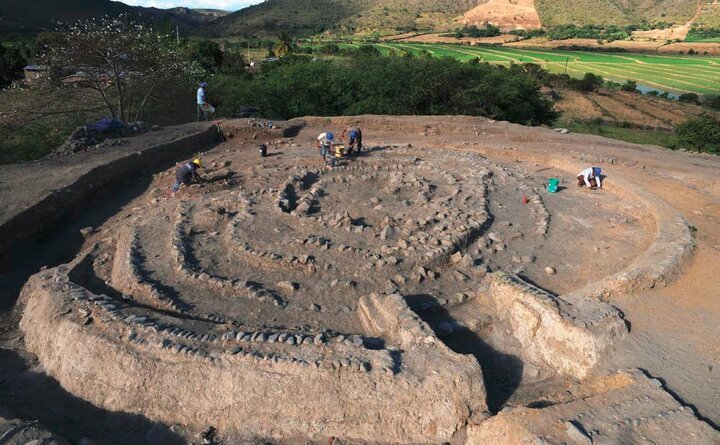
The finds interested scientists; in 2010, archaeologists arrived here and excavations yielded stunning results. Montegrande was not a hill. Under the thickness of the earth lurked a huge stone pyramid of an unknown civilization, 3 thousand years old.
This is one of the most important discoveries in American history of the 21st century and here's why. The fact is that in the history of the Ancient world it was always believed that the Amazon delta, crossing South America and covered with impenetrable jungle, was uninhabited.
The first people created American civilizations on the sidelines, but were afraid to enter this fierce darkness full of predators, stinging insects and murderous reptiles. Only primitive tribes of hunters and gatherers roamed the Amazonian tropical jungle.
They moved from place to place, built temporary settlements and abandoned them after their supplies of game and plants were depleted. Nomads did not evolve into civilization and cities because they could not develop technology or clear space for fields and cities.
This was the case until 2010. And even the records of the Spanish conquistadors were considered by scientists to be a myth. And the conquerors of the New World who arrived from Spain wrote about huge cities in forests covered with gold, about hundreds of ships scurrying between cities along the Amazon River with goods and people.
But not a single archaeological expedition has found evidence of this, not even a single house. And then in 2010, Peruvian scientists found Montegrande. And over 12 years of excavations, the world of a previously unknown civilization on Earth began to slowly open up.
The mysterious forest people built the first pyramid in 1000 BC and over the thousand years of its existence they rebuilt it 8 times. There were residential areas and government buildings around the pyramid; the city was protected by a 2-meter stone wall from wild tribes.
At the top of the hill there was a place of worship of the gods and huge bonfires; a path was laid there through a labyrinth in the form of a spiral. Scientists have found many remains of narcotic plants; it is believed that they created hallucinations in the form of spirals in the priests; in Montegrande they were considered a manifestation of the gods.
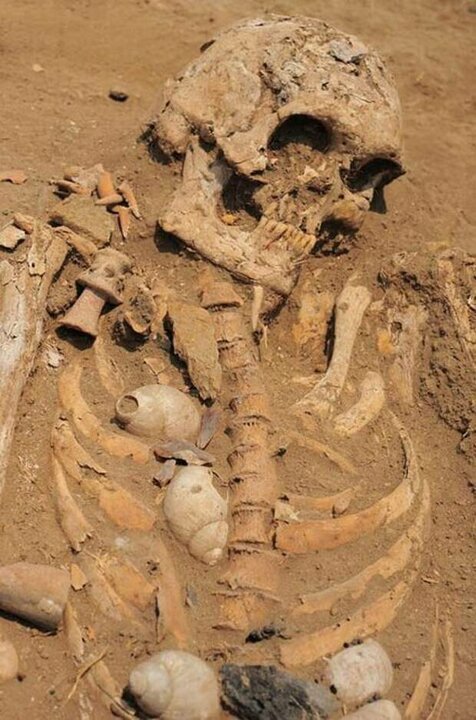
Spirals for this civilization have become something like our Christian cross or Islamic crescent. The remains of snails (they are also in the shape of a spiral) are scattered throughout the city, and the dead were covered with snails from head to toe.
2 kilometers from the main city, scientists found a small pyramid, which was the place of true maternal love. Desperate mothers brought their dying children here, and the priests sacrificed them both to the gods. It is possible that a loving mother can go to heaven with her child.
Research continues. Unfortunately, the Amazon civilization had no written language and no records remained. We don’t know their stories, names, we can’t read their thoughts about love, life and death. The people of Montegrande cannot tell how they came to the Amazon and why they disappeared.
And all we have are ruins and bones. And our version of an incredible portrait of people who were swallowed up by the jungle 2 thousand years ago.